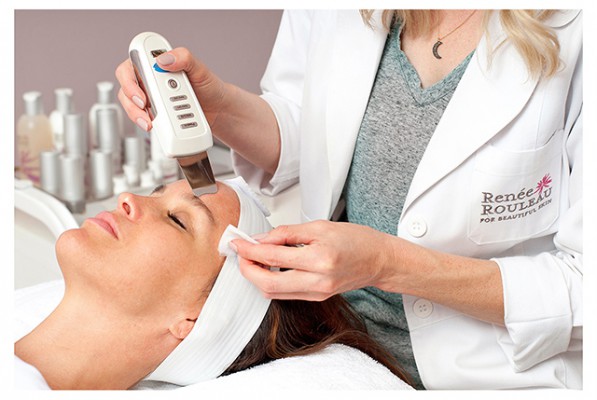
Professional microdermabrasion ($100–$200/session) delivers faster visible results; at-home chemical or physical exfoliation ($5–$80/product) is more affordable, flexible, and better for long-term maintenance.
Microdermabrasion is a minimally invasive cosmetic procedure in which a dermatologist or aesthetician uses a special instrument — either a diamond-tipped wand or a stream of fine crystals — to gently sand away the uppermost layer of skin while suction simultaneously removes the debris. At-home exfoliation is the broader category: everything from sugar scrubs and konjac sponges to AHA and BHA chemical exfoliants you apply yourself. Both approaches remove dead skin cells to reveal smoother, brighter skin, but they differ dramatically in depth of action, cost, recovery, and the kinds of concerns they can realistically address.
Where these two methods overlap — and where they diverge — determines whether you're spending your money wisely or inadvertently compromising your skin barrier.
| Method | Cost Range | Frequency | Best For | Downtime |
|---|---|---|---|---|
| At-Home Physical Exfoliation (scrubs, brushes) | $5–$50 per product | 2–3× per week | General smoothing, mild dullness | None |
| At-Home Chemical Exfoliation (AHAs/BHAs) | $10–$80 per product | Daily to weekly | Acne, dark spots, uneven tone | None to minimal |
| Handheld Microdermabrasion Device | $30–$200 one-time | 1–2× per week | Maintenance between pro sessions | Minimal |
| Professional Microdermabrasion | $100–$200 per session | Every 2–4 weeks | Texture, sun damage, fine lines, mild scars | Hours of redness |
| Full Professional Course (4–6 sessions) | $500–$1,200 total | Spaced 2–4 weeks | Significant skin concerns | Hours per session |
How does each method actually work on your skin?
At-home exfoliation removes dead skin cells from the surface through two distinct mechanisms.
Physical exfoliation — scrubs, brushes, konjac sponges — manually dislodges the top layer of dead cells. The result is an immediately smooth, polished feel. The risk is that it's easy to overdo: too much pressure or too-frequent use can compromise the skin barrier, especially on dry or sensitive skin.
Chemical exfoliation uses acids to dissolve the bonds holding dead cells together rather than scrubbing them away. AHAs like glycolic acid and lactic acid work on the skin's surface, while BHA salicylic acid can penetrate inside pores, making it uniquely effective for acne-prone skin. Because you're not physically abrading the skin, the exfoliation tends to be more even and controllable. Some AHAs also stimulate collagen production over time.
Microdermabrasion takes physical exfoliation a step further: a wand is passed over the skin, using either tiny crystals or a diamond tip to buff away dead skin while simultaneously suctioning it up. Per Cleveland Clinic, the procedure helps new skin cells grow, reveals newer undamaged skin, and thickens collagen — the protein that keeps skin firm. Because the exfoliation is more intense and controlled by a trained provider, you'll typically notice a more pronounced difference after a single session than after a single at-home treatment.
At-home microdermabrasion devices sit somewhere in the middle. They replicate the diamond-tip or crystal mechanism on a smaller scale, offering more intensity than a scrub but considerably less power than a professional machine. Dermatologists note that at-home devices can be especially helpful for maintaining smooth, glowing skin between professional treatments, but they shouldn't be expected to produce the same depth of exfoliation as an in-clinic session.
What will you actually spend — and is it worth it?
Cost is where the two approaches diverge most sharply. A series of professional microdermabrasion treatments can easily run $500 to $1,200 over a few months, before factoring in any maintenance sessions. At-home exfoliation costs a fraction of that: a quality chemical exfoliant typically runs $10–$80 and lasts for months.
A handheld microdermabrasion device brings the one-time investment down to $30–$200. Allure's editors rate the PMD Personal Microderm Classic ($159) and the Trophy Skin MicrodermMD ($96) among the best at-home options, though both are less powerful than clinic-grade machines.
For most people, at-home exfoliation delivers significantly better value unless you have a specific skin concern — mild acne scarring, moderate sun damage, visible fine lines — that genuinely warrants the intensity of professional microdermabrasion. If you do invest in professional sessions, pairing them with a consistent at-home chemical exfoliation routine (adjusted around your treatment schedule) helps sustain the results between appointments.
Which method suits your skin type and goals?
Skin type matters enormously here, and getting this wrong can set your skin back rather than move it forward.
For oily or acne-prone skin, salicylic acid is the at-home exfoliant of choice. It's the only exfoliant that can penetrate inside pores and help prevent them from becoming clogged, addressing blackheads, whiteheads, and pimples. Microdermabrasion can also help with non-inflamed acne and congestion, but it should be avoided during active breakouts — the rubbing and suction can spread bacteria and worsen inflammation.
For dry skin, glycolic acid is a strong at-home pick. Research confirms it brightens and exfoliates while also being the most effective acid for fading dark spots. Microdermabrasion is generally tolerated on dry skin, though post-treatment dryness and flaking are more likely. Hydrating well before and after any session is non-negotiable.
For sensitive skin, lactic acid is the gentlest chemical exfoliant option. Studies show it carries a lower risk of side effects than other exfoliating acids. Microdermabrasion is riskier on sensitive skin — the rubbing and suction can trigger redness, irritation, and flare-ups of conditions like rosacea and eczema. If you have reactive skin, professional microdermabrasion is a conversation to have with a dermatologist first, not a solo booking decision.
For normal or combination skin targeting texture, sun damage, or fine lines, both approaches work well. Professional microdermabrasion gives you faster, more dramatic improvements; consistent chemical exfoliation gets you to a similar place over a longer timeline at a fraction of the cost.
Cleveland Clinic notes that microdermabrasion is not recommended for people with active acne, frequent contact dermatitis, cold sores, or skin conditions like eczema or psoriasis. These are firm contraindications, not just cautions.
It's also worth keeping expectations realistic about what microdermabrasion can and cannot do. Because it works close to the skin's surface, it won't significantly reduce deep wrinkles or pitted acne scars. For those concerns, treatments that penetrate deeper — chemical peels, laser resurfacing, or microneedling — are more appropriate. A 2024 report from the American Society of Plastic Surgeons recorded 378,185 microneedling sessions versus 262,768 microdermabrasion sessions in the US, a 44% higher utilization that reflects growing preference for deeper-acting treatments when structural skin change is the goal.
What results can you realistically expect, and when?
This is where the two approaches feel most different in practice.
At-home exfoliation produces gradual, cumulative improvements. With consistent use over a few weeks, you should notice smoother texture, more even brightness, and fewer clogged pores. The changes are real but incremental — a single application won't produce a dramatic shift. The advantage is that you're building a sustainable habit that keeps your skin in good condition over months and years.
Professional microdermabrasion delivers faster, more noticeable results. Post-treatment, skin may feel taut with mild redness similar to light sun exposure, which typically resolves within hours, and improved softness and reduced pore visibility are often apparent immediately. Smoother texture often emerges within 24 to 48 hours as the skin recovers, and by the end of the first week, tone can brighten noticeably.
After a full course of four to six sessions — typically spaced two to four weeks apart — you may see meaningful improvements in fine lines, age spots, uneven skin tone, and overall texture. There is also evidence that microdermabrasion can stimulate collagen production, meaning some improvements may continue even after your treatment course ends.
The catch: the results aren't permanent. Your skin will continue to age, accumulate dead cells, and respond to UV exposure regardless of how many sessions you've had. Maintenance treatments every few months are typically needed to sustain the improvements — which adds back to the ongoing cost.
For long-term skin health, regular chemical exfoliation is the more practical maintenance strategy for most people. Microdermabrasion makes the most sense when you want faster results for a specific occasion or concern and are prepared to invest accordingly.
How much pain and downtime should you expect?
Neither approach involves significant downtime, but the experience during and after treatment differs.
At-home exfoliation fits easily into a daily or weekly routine. A physical scrub might leave skin slightly pink for a few minutes; chemical exfoliants can cause mild tingling, particularly stronger acids. Neither should hurt. If an acid causes significant burning or leaves skin very irritated, that's not a sign it's working — it's a sign to stop or switch to something gentler. There's no real recovery period; you can apply SPF and get on with your day.
Professional microdermabrasion is often described as feeling like a scratchy little vacuum moving across the face. It isn't normally painful, though areas around the nose and forehead can feel more intense. Skin may look red and feel tight for a few hours afterward, and some people experience light peeling over the following days. Most people can return to normal activities immediately, though sun protection is essential in the days following treatment because the freshly exfoliated skin is more sensitive to UV damage.
Cleveland Clinic advises increasing sunscreen use after microdermabrasion and notes that some people may experience bruising lasting a few days, temporary skin discoloration, or flaky dry skin. These are generally mild and short-lived, but worth factoring in if you're planning around an event.
Can you combine microdermabrasion with at-home exfoliation?
Yes — but the timing requires care. Using both approaches simultaneously is where people most commonly run into trouble.
Microdermabrasion is already exfoliating your skin intensively. Adding acids, scrubs, and exfoliating treatments on top isn't going to amplify your results — it's going to damage your skin barrier. If you're having professional sessions, you'll typically need to pull back on at-home exfoliation in the days before and after each treatment.
A sensible combined approach: use a gentle chemical exfoliant (lactic acid or a low-percentage glycolic acid) as your regular maintenance between professional sessions, and pause it for two to three days on either side of your microdermabrasion appointment. This gives your skin time to recover fully before you introduce any additional exfoliation.
At-home microdermabrasion devices can be used more regularly as a standalone routine — typically once or twice a week — but again, they shouldn't be stacked with strong chemical exfoliants on the same day.
Is microdermabrasion or at-home exfoliation better for specific skin concerns?
Mild acne scars and uneven texture: Professional microdermabrasion has a meaningful edge here. Cleveland Clinic lists mild acne scars as one of the primary conditions microdermabrasion can make less noticeable. At-home chemical exfoliation with glycolic acid can improve superficial post-inflammatory hyperpigmentation (the flat dark marks left after a breakout) but won't address textural scarring the way a professional treatment can.
Sun damage and age spots: Both approaches help, but at different speeds. Glycolic acid is the best acid for fading dark spots with consistent use, while professional microdermabrasion can produce visible improvement in sun damage more quickly. For significant photodamage, a combination of professional sessions and ongoing chemical exfoliation at home is likely the most effective strategy.
Clogged pores and blackheads: Salicylic acid wins here outright. It's the only exfoliant that can get inside pores and help prevent them from becoming clogged, and it's available in affordable over-the-counter formulations. Microdermabrasion's suction component can help loosen surface congestion, but it doesn't reach inside the pore the way BHA does.
Fine lines and early signs of aging: Both methods offer some benefit. Chemical exfoliation with AHAs promotes cell turnover and, with long-term use, can support collagen production. Professional microdermabrasion can produce faster visible softening of fine lines, particularly when combined with a collagen-stimulating skincare routine. For deeper wrinkles, neither approach is sufficient — that's the territory of injectables, laser treatments, or RF microneedling.
Dullness and general skin brightness: This is where at-home exfoliation genuinely shines. A consistent routine with a well-formulated AHA or BHA can keep skin looking bright and fresh week after week at minimal cost. Microdermabrasion produces a more dramatic immediate glow, which is why it's popular as a pre-event treatment, but maintaining that level of brightness requires ongoing appointments.
What about hydrodermabrasion — is it worth considering?
Hydrodermabrasion (also called hydradermabrasion) is a variation that combines exfoliation with simultaneous infusion of hydrating serums. It uses the power of water and oxygen to exfoliate dead skin cells while infusing the skin with moisture in a three-step process: cleansing, exfoliating, and moisturizing. Because there's no abrasive crystal or diamond tip creating friction, it tends to be gentler and better tolerated by sensitive or dry skin types.
For dry or sensitive skin, hydrodermabrasion is generally considered more suitable than traditional microdermabrasion, which can be too abrasive for reactive skin. The trade-off is that it's less effective at tackling surface roughness and congestion than standard microdermabrasion. If your primary concern is hydration and gentle brightening rather than texture correction, hydrodermabrasion may be the better professional option.
The verdict: which exfoliation method is right for you?
There's no single answer — the right choice depends on your skin type, budget, timeline, and specific concerns.
Choose at-home chemical exfoliation if you want a cost-effective, flexible, long-term approach to maintaining smooth, bright skin. It works for almost every skin type when you match the acid to your needs (salicylic for oily/acne-prone, glycolic for dry/hyperpigmentation, lactic for sensitive). The results are gradual but cumulative, and the investment is minimal compared to professional treatments.
Choose professional microdermabrasion if you have a specific concern — mild acne scars, visible sun damage, fine lines, uneven texture — and want faster, more noticeable results than at-home exfoliation can deliver on its own. It's also worth considering as an occasional treatment to reset your skin before a significant event. Just go in with realistic expectations: it works at the surface, not deep in the skin, and results require maintenance.
Choose an at-home microdermabrasion device if you want something more intensive than a scrub but can't commit to the cost of professional sessions. Devices in the $100–$200 range offer a meaningful middle ground, particularly for maintaining results between clinic visits.
Avoid microdermabrasion entirely if you have active acne, rosacea, eczema, psoriasis, or very sensitive skin. The mechanical exfoliation and suction can worsen these conditions rather than improve them.
For most people, a well-chosen at-home chemical exfoliant used consistently will deliver excellent results over time — and at a fraction of the cost of a professional treatment series. Microdermabrasion earns its place as a targeted, periodic intervention, not a replacement for the daily and weekly habits that keep skin healthy year-round. If you're also exploring other skin-supporting routines, our guide to best plumping and collagen-boosting serums covers complementary options that pair well with either exfoliation approach.
Sources
- Microdermabrasion VS Exfoliation: Pros, Cons And Verdict – Beautiful With Brains
- Microdermabrasion: What It Is, Benefits, Results & Side Effects – Cleveland Clinic
- 11 Best At-Home Microdermabrasion Kits of 2024 to Buff and Smooth Skin – Allure
- How Fast Does Microdermabrasion Show Results? – Rodan + Fields
- Microneedling vs Microdermabrasion: Which Is Better for Your Skin? – Coastal Medical Spa
- Hydrodermabrasion vs Microdermabrasion – Surebeauty
- Microdermabrasion and collagen stimulation – PubMed
- Glycolic acid and dark spots – PubMed
- Lactic acid gentleness study – PubMed
- Salicylic acid and acne – PubMed