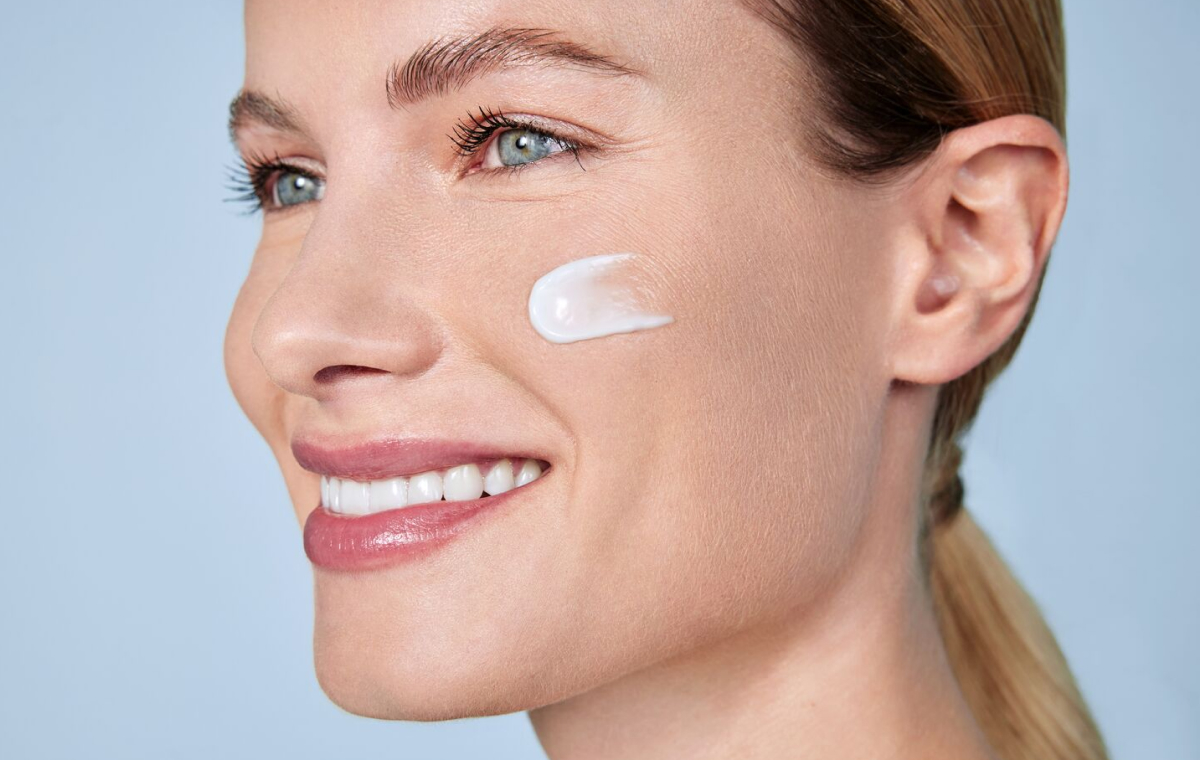
A dry skin routine needs a gentle cleanser, hydrating serum, barrier-repairing moisturizer, and SPF — built around ceramides, hyaluronic acid, and glycerin — applied thinnest to thickest for best results.
How to Build a Dry Skin Routine: The Right Order, Ingredients, and Formulas That Actually Work
Dry skin — formally known as xerosis — is defined as a condition in which the skin lacks the lipids necessary to maintain a healthy barrier, leaving it unable to retain water or keep irritants out. The result is the tight, rough, flaky, or even cracked feeling that millions of people deal with daily. A well-ordered, ingredient-smart routine can address it effectively without requiring a 10-step shelf full of products.
Before diving into the steps, here is a side-by-side look at the three core routine steps, the ingredient categories that belong in each, and what to avoid — so you can shop with a clear filter in mind.
| Routine Step | Best Ingredient Types | Texture to Choose | What to Avoid |
|---|---|---|---|
| Cleanser | Ceramides, glycerin, aloe vera, avocado oil, vitamin E | Cream, milk, or low-lather gel | Sulfate-heavy foams, soap bars, alcohol |
| Serum / Essence | Hyaluronic acid, glycerin, niacinamide, squalane, panthenol (B5) | Lightweight liquid or gel | High-alcohol formulas, strong exfoliating acids as a daily serum |
| Moisturizer | Humectants (HA, glycerin) + emollients (ceramides, squalane) + occlusives (petrolatum, shea butter, silicones) | Rich cream, balm, or facial oil for PM | Fragrance-heavy formulas, drying alcohols |
| Sunscreen (AM only) | Mineral (zinc oxide) or hydrating chemical filters | Lightweight lotion or fluid | Matte/oil-control formulas designed for oily skin |
| Night treatment (PM only) | Retinol (buffered), peptides, rosehip oil, heavier occlusives | Balm, oil, or sleeping mask | Undiluted retinoids without a buffer moisturizer |
What exactly is dry skin, and how is it different from dehydrated skin?
Dry skin is defined by a lack of oils — specifically, the lipids that keep the skin barrier intact and functioning. Board-certified New York dermatologist Sejal Shah, MD, explains that xerosis occurs when skin lacks the necessary factors, like lipids, to maintain a healthy skin barrier. Without those lipids, the barrier becomes less effective at retaining water and keeping irritants out.
Dehydrated skin, by contrast, is about a lack of water rather than a lack of oil. Dr. Shah notes that dehydrated skin "is generally considered a temporary skin condition and can happen to any skin type, even oily skin" — someone can have oily but dehydrated skin that looks shiny while still feeling tight. Dehydrated skin is typically caused by dry air, harsh skin care, or weather, whereas true dry skin is usually a persistent skin type rather than a passing condition.
Why does this distinction matter for your routine? Because the fix is slightly different. Dry skin needs lipid replenishment — emollients and occlusives — in addition to water-binding humectants. Dehydrated skin primarily needs humectants and a lighter barrier seal. Most dry-skin routines address both, but if you're only dehydrated, you may not need the heaviest creams and oils.
Dry skin often worsens with age. Board-certified San Francisco dermatologist Caren Campbell, MD, explains that dryness becomes more common as you age because the skin produces less oil and sweat and loses some of its ability to hold onto moisture. Hormonal shifts, regular swimming in chlorinated pools, high indoor heating, and smoking are also contributing factors.
How should I order the steps in my dry skin routine?
The golden rule — confirmed by the New York Times skincare guide — is to apply products in order of consistency, from thinnest to thickest. This ensures that lighter, water-based formulas can penetrate before heavier creams seal the surface.
For dry skin, the morning order looks like this:
- Cleanser (cream or low-lather gel)
- Toner or essence (optional but beneficial — hydrating, not astringent)
- Serum (hyaluronic acid, glycerin, or niacinamide-based)
- Moisturizer (rich cream or lotion)
- Sunscreen (SPF 30 minimum indoors; SPF 50 outdoors)
The evening order shifts slightly:
- Oil cleanser or cleansing balm (to dissolve SPF and makeup)
- Gentle cream or gel cleanser (double cleanse if needed)
- Toner or essence (optional)
- Treatment serum or active (retinol, peptides — introduced slowly)
- Rich moisturizer, night cream, or facial oil
The Guardian's expert skincare guide reinforces that skin works in renewal cycles, and you should wait at least six to eight weeks before expecting visible changes — which is why consistency matters far more than complexity.
Board-certified Fort Wayne dermatologist Dara Spearman, MD, puts it plainly: "For dry skin, less is often more. Focus on gentle cleansing, barrier-supporting ingredients, and consistency rather than constantly adding more products." A three-step routine done every day will outperform a ten-step routine done sporadically.
Which cleanser is right for dry skin?
The cleanser is where many dry-skin routines go wrong. Harsh soaps and strong foaming cleansers strip away the skin's natural oils, worsening dryness before you've even applied a single drop of serum. Dr. Campbell advises choosing a gentle, soap-free cleanser instead — and in the morning, simply rinsing with water is a legitimate option if your skin is very reactive.
What to look for in a dry-skin cleanser:
- Cream or milk texture: These formats clean without disrupting the acid mantle. The Guardian recommends a cream cleanser for dry skin because it removes makeup and leaves skin feeling soft post-wash.
- Low-lather or no-foam formula: Foam requires surfactants that can strip lipids. A cleanser that produces minimal lather is generally gentler.
- Hydrating actives in the formula: Ingredients like glycerin, ceramides, aloe vera, and vitamin E help offset any mild cleansing action.
Dr. Shah specifically recommends the La Roche-Posay Toleriane Hydrating Gentle Cleanser as "a great everyday option for dry and sensitive skin because it cleanses without stripping away too much of the skin's natural moisture." For very dry skin types, a cleansing oil — such as the Avène XeraCalm A.D Lipid-Replenishing Cleansing Oil — replenishes lipids while washing away the day.
ISDIN's skincare guide explains the logic behind oil cleansers well: like attracts like, so oil dissolves oil-based impurities (including sunscreen and makeup) without leaving skin tight. This makes an oil cleanser an excellent first-cleanse step in a double-cleanse PM routine.
One environmental factor worth noting: if you live somewhere with hard tap water — high in minerals — your cleanser will lather more aggressively, stripping more lipids in the process. Loovi's guide to dry skin in India highlights hard water as "the biggest under-discussed culprit" in barrier disruption, noting that the excess lather it creates pulls lipids out of skin. Rinsing with cold water first or using a micellar water instead of a rinse-off cleanser can help if this applies to you.
What ingredients should I look for in a serum or essence?
A serum is a concentrated, lightweight formula designed to deliver active ingredients deeper into the skin than a moisturizer can. For dry skin, the serum step is primarily about drawing water into the skin and preparing it to hold that moisture once the moisturizer is applied on top.
The three ingredient categories that matter most here:
Humectants pull water from the environment and from deeper skin layers up to the surface. The two most evidence-backed humectants for dry skin are:
- Hyaluronic acid (HA): Capable of retaining large amounts of water relative to its molecular weight, HA is a cornerstone ingredient for dry and dehydrated skin alike. Kiehl's skincare guide notes that hyaluronic acid "has earned a reputation for being a must-use ingredient for dry skin."
- Glycerin: A simpler, well-researched humectant that works synergistically with HA and is found across price points.
Niacinamide (vitamin B3) is worth including for dry skin because it supports ceramide synthesis — meaning it helps your skin build its own barrier lipids over time, rather than just borrowing them from a topical product.
Squalane is a lightweight emollient that can appear in serums as well as moisturizers. It mimics the skin's own sebum, making it particularly well-suited to dry skin types that are low in natural oil production.
One critical application tip: apply hyaluronic acid to damp skin and seal it within 60 seconds with moisturizer, especially in low-humidity environments. In dry climates, HA applied to dry skin can actually pull moisture from the deeper layers of your skin rather than from the air — the opposite of what you want.
How do I choose the right moisturizer for dry skin?
A moisturizer works through three mechanisms: attracting water (humectants), softening and smoothing the skin surface (emollients), and sealing moisture in by slowing evaporation (occlusives). The best moisturizers for dry skin contain all three.
Dr. Shah breaks it down clearly: "The ingredients I look for fall into three main categories: humectants like hyaluronic acid or glycerin to attract and hold water; emollients like ceramides or squalane to soften and smooth the skin; and occlusives like silicones, petrolatum, or shea butter to seal everything in."
What this means practically:
- For daytime: Choose a lighter cream that contains ceramides and HA — rich enough to hydrate, but not so heavy that it pills under sunscreen or makeup.
- For nighttime: You can go heavier. Balms, sleeping masks, and facial oils (rosehip, squalane) are all appropriate. Some people with very dry skin practice "slugging" — applying a thin layer of petrolatum as the final PM step to create a near-impermeable occlusive seal overnight.
Dr. Campbell's practical advice: "The best moisturizer is one that feels comfortable enough to use consistently." Fancy packaging and high price points are not reliable indicators of efficacy. Drugstore options like CeraVe Moisturizing Cream and Eucerin Original Healing Cream contain the same functional ceramide and glycerin combinations as many premium products.
ISDIN recommends looking for moisturizers with hyaluronic acid, ceramides, and antioxidants — the antioxidants (vitamin E, vitamin C, niacinamide) add a layer of environmental protection that complements the barrier-repair work of the other ingredients.
Apply moisturizer to skin that is still slightly damp from your serum or toner — this helps trap additional moisture rather than just sitting on top of dry skin.
Do I really need sunscreen if my skin is already dry?
Yes — and dry skin needs it more than most. Sun exposure accelerates transepidermal water loss (TEWL), the process by which water evaporates through the skin's surface. UV damage also degrades ceramides and collagen, weakening the barrier over time. Skipping SPF on dry skin is essentially allowing the sun to undo your moisturizer's work every day.
For dry skin specifically:
- Avoid matte or oil-control sunscreens formulated for oily skin — these often contain high levels of alcohol or silica that will make dry skin feel worse.
- Look for hydrating sunscreen formulas that include glycerin, HA, or niacinamide alongside their UV filters.
- Mineral sunscreens (zinc oxide, titanium dioxide) are a solid choice because they sit on top of the skin rather than penetrating it, and many mineral formulas are now lightweight and non-drying.
- SPF 30 is the minimum for daily indoor use; SPF 50 is recommended for outdoor exposure. Deyga's dry skin guide recommends reapplying every three hours under direct sun.
One practical note: if your moisturizer contains SPF, that is not a substitute for a dedicated sunscreen. The amount of moisturizer you'd need to apply to achieve the labeled SPF protection is far more than most people use.
Should I use a toner, and which type is right for dry skin?
Toners occupy a contested space in skincare — some dermatologists consider them optional, while others see them as a meaningful hydration step. For dry skin, the verdict leans toward useful, with one major caveat: the toner must be alcohol-free.
Traditional astringent toners were formulated for oily skin to remove excess oil and tighten pores. These are the wrong product for dry skin. Kiehl's skincare guide explains that alcohol-free toners can be excellent for dry skin, helping sweep away lingering impurities while refreshing and soothing skin.
What to look for in a dry-skin toner:
- Glycerin: The most common and effective humectant in toner formulas.
- Panthenol (vitamin B5): Soothing and moisture-retaining.
- Beta-glucan: A polysaccharide that calms and hydrates simultaneously.
- Rose water or cucumber extract: Gentle, soothing botanicals with mild anti-inflammatory properties.
Loovi's dry skin guide notes that a hydrating toner applied while the face is still slightly damp helps subsequent serums and moisturizers absorb better — essentially acting as a primer for the hydration layers that follow. You can apply it with a cotton pad or transfer it to a spray bottle for a more even mist.
How do I add retinol to a dry skin routine without causing irritation?
Retinol is one of the most evidence-backed anti-aging ingredients available without a prescription, but it is also one of the most likely to cause initial dryness, peeling, and irritation — which makes its introduction into a dry-skin routine a careful process.
The key principles:
Start low and slow. Begin with the lowest available concentration (0.025% to 0.05%) and use it no more than once or twice a week. Increase frequency only after your skin has fully adjusted — typically after four to six weeks at each level.
Buffer with moisturizer. Apply your moisturizer first, let it absorb for a few minutes, then apply retinol on top. This "sandwich" method dilutes the retinol slightly and reduces the rate of penetration, lowering irritation risk without eliminating efficacy.
Use it only at night. Retinol degrades in sunlight and increases photosensitivity. Apply it as the final step before your night moisturizer (or between two layers of moisturizer if you're buffering).
Never layer with strong acids on the same night. AHAs (glycolic, lactic acid) and BHAs (salicylic acid) used on the same evening as retinol significantly increase irritation risk. If you use both in your routine, alternate nights.
For dry skin specifically, a retinol formulated in a moisturizing base — rather than a serum — is often better tolerated. Several brands now offer retinol-infused night creams that deliver the active ingredient alongside ceramides and emollients, reducing the net drying effect.
How often should I exfoliate dry skin?
Exfoliation removes dead skin cells from the surface of the skin, either mechanically (scrubs, cloths) or chemically (AHAs, BHAs, enzymes). For dry skin, it is a genuinely useful step — dead cell buildup can make skin look dull and prevent moisturizers from absorbing effectively — but frequency and method matter enormously.
Kiehl's recommends exfoliating up to three times per week for dry skin, using a gentle formula that also provides a conditioning action. If you're new to exfoliation, start with once a week and observe how your skin responds before increasing.
For dry skin, chemical exfoliants are generally preferable to physical scrubs:
- Lactic acid (an AHA) is the most gentle option and has the added benefit of being a humectant — it exfoliates while also drawing moisture into the skin.
- Mandelic acid is another gentle AHA with a larger molecular size, meaning slower penetration and less irritation.
- Enzyme exfoliants (papaya, pineapple) are the mildest option and suitable for very sensitive dry skin.
Avoid daily exfoliation, and avoid harsh physical scrubs with jagged particles — these create micro-tears in an already compromised barrier. After exfoliating, always follow immediately with your full moisturizing routine.
What does a complete AM and PM dry skin routine look like in practice?
Here is a practical, dermatologist-aligned routine that synthesizes the guidance above.
Morning Routine
- Rinse or gentle cream cleanser — If your skin feels clean from the night before, a water rinse is sufficient. Otherwise, use a cream or low-lather cleanser.
- Hydrating toner or essence (optional) — Apply to damp skin with hands or a cotton pad.
- Hyaluronic acid or glycerin serum — Apply to still-damp skin; follow immediately with moisturizer.
- Rich moisturizer with ceramides — Seal in the serum while skin is still slightly damp.
- Broad-spectrum SPF 30–50 — Apply as the final step, after moisturizer has absorbed.
Evening Routine
- Oil cleanser or cleansing balm — Dissolve SPF and makeup without stripping.
- Cream or gel cleanser (second cleanse, if needed) — Follow with lukewarm water rinse.
- Hydrating toner or essence (optional) — Same as morning.
- Treatment serum — Retinol (1–2x/week), peptides, or niacinamide on other nights.
- Rich night cream, balm, or facial oil — Go heavier than your daytime moisturizer; rosehip oil and squalane oil are excellent options for very dry skin.
On exfoliation nights (1–2x/week), swap the treatment serum for a gentle lactic acid or enzyme exfoliant, skip retinol, and follow with your richest moisturizer.
The Guardian's expert guide notes that constantly switching and layering multiple products is likely to leave skin irritated rather than improved. If you're starting from scratch, build the routine one step at a time — add the serum after two weeks, the treatment after another two weeks — so you can identify what's working.
When should I see a dermatologist instead of managing dry skin at home?
Most mild-to-moderate dry skin responds well to a consistent over-the-counter routine within six to eight weeks. But there are situations where a dermatologist visit is warranted.
Dr. Campbell advises calling your derm if you're noticing severe or persistent dryness. Very itchy, cracked, or red skin could signal something beyond simple dryness. Dry skin may also be linked to conditions including eczema, psoriasis, thyroid disease, and diabetes — all of which require medical management alongside topical care.
Signs that warrant a professional evaluation:
- Dryness that doesn't improve after 8 weeks of a consistent, appropriate routine
- Skin that is cracking, bleeding, or severely inflamed
- Intense itching that disrupts sleep
- Dryness accompanied by redness, scaling, or rash patterns that suggest eczema or psoriasis
- Sudden onset of severe dryness with no obvious lifestyle cause
A dermatologist can prescribe stronger barrier-repair formulas, topical steroids for inflammation, or prescription retinoids — and can rule out underlying systemic causes that no amount of ceramide cream will fix.
What does adequately hydrated skin actually look and feel like?
Dr. Spearman describes well-hydrated skin as smooth and slightly plump with a healthy shine — the sign of a happy, moisturized complexion. It should feel comfortable throughout the day without tightness, and it should not flake or feel rough to the touch.
ISDIN's guide describes the signs of dry skin in reverse as a useful benchmark: fine, barely visible pores; a tight feeling after cleansing; and a matte complexion with little to no natural shine. When your routine is working, those markers shift — pores look normal, skin feels comfortable immediately after cleansing, and there is a natural, healthy glow rather than a dull, flat finish.
Reaching that baseline typically takes four to eight weeks of consistent product use. As the New York Times skincare guide notes: "Results are only seen through consistent use. Generally, aim to use a product over at least six weeks, once or twice daily, to notice a difference."
For more on building targeted skincare routines, see our guides to best plumping and collagen-boosting serums and best conditioners for color-treated hair if your hair is experiencing the same dryness challenges as your skin.
Sources
- How to Build a Dry Skin Routine | Allure
- How to Build a Skin Care Routine | The New York Times
- How to build the perfect skincare routine: six steps, according to experts | The Guardian
- How To Build a Skincare Routine for Dry, Dehydrated Skin | ISDIN
- Your Ultimate Skincare Routine For Dry Skin | Kiehl's
- Skincare Routine for Dry Skin in India: AM & PM Guide | Loovi
- Skin Care Routine for Dry Skin: Hydrate, Nourish, and Glow Naturally | Deyga