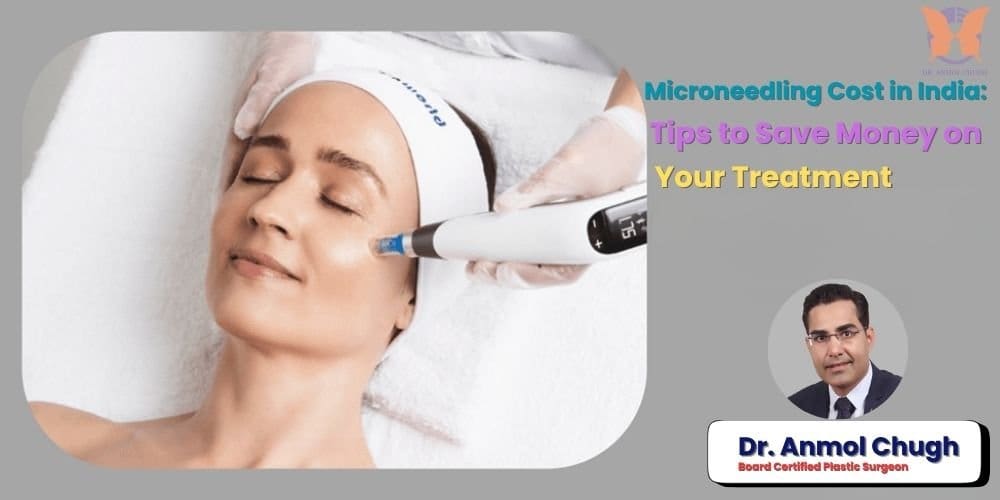
Microneedling can fade hyperpigmentation — especially melasma and post-acne dark marks — but works best when combined with brightening agents like tranexamic acid, and results take multiple sessions over several months.
Does Microneedling Actually Help With Hyperpigmentation? What the Evidence Really Shows
Microneedling is a minimally invasive procedure that uses fine needles to create controlled micro-injuries in the skin, triggering a wound-healing cascade that stimulates collagen and elastin production — and, under the right conditions, can meaningfully reduce hyperpigmentation. The key qualifier is "under the right conditions." Research published in PMC confirms microneedling's broad dermatological utility, but the evidence for hyperpigmentation is not uniform across every type of dark spot. Before you book a session, here is what the science actually shows.
How does microneedling compare to other hyperpigmentation treatments?
The table below gives you a quick-reference comparison of the most common treatments for hyperpigmentation, so you can see where microneedling sits relative to alternatives before diving into the detail.
| Treatment | Best evidence for | Suitable for darker skin tones? | Typical sessions needed | Key risk for pigmentation |
|---|---|---|---|---|
| Microneedling (alone) | Melasma, PIH from acne | Yes, with experienced provider | 3–6 sessions, 4–6 weeks apart | Post-inflammatory hyperpigmentation if too aggressive |
| Microneedling + tranexamic acid | Melasma | Yes | 3–6 sessions | Minimal if protocol is correct |
| Chemical peels (superficial) | PIH, sun damage | Moderate — depends on peel depth | 4–6 sessions | PIH flare in Fitzpatrick IV–VI |
| Laser (ablative/IPL) | Sun spots, solar lentigines | Lower — higher PIH risk | 1–3 sessions | Significant PIH risk in darker skin |
| Topical agents (hydroquinone, kojic acid, azelaic acid) | All types (maintenance/prevention) | Yes | Ongoing daily use | Ochronosis with long-term hydroquinone |
| Tranexamic acid (topical alone) | Melasma | Yes | Ongoing daily use | Very low |
One thing the table makes clear: microneedling is not the single best option for every person or every type of dark spot. It is, however, one of the more skin-tone-inclusive in-clinic procedures available — which matters enormously given that hyperpigmentation disproportionately affects people with medium to deep skin tones.
How does microneedling actually work on dark spots?
Microneedling does not bleach or chemically suppress pigment the way topical ingredients like hydroquinone, kojic acid, or azelaic acid do. Those actives work by interfering directly with the melanin synthesis pathway — essentially telling your melanocytes to produce less pigment. Microneedling works through a different set of mechanisms entirely.
When fine needles penetrate the skin to depths of 0.5–2mm, they trigger a controlled inflammatory response. Cytokines and growth factors flood the treatment area, collagen and elastin synthesis ramps up, and epidermal cell turnover accelerates. This is the mechanism that makes microneedling useful for acne scars, fine lines, and skin texture — but it also creates conditions that can help pigmentation fade, through at least three overlapping pathways:
Accelerated cell turnover. As old, melanin-dense epidermal cells are replaced more rapidly by new cells, surface pigmentation fades. This is particularly relevant for post-inflammatory hyperpigmentation (PIH) and sun-related spots that sit primarily in the epidermis.
Physical disruption of melanin deposits. A review of microneedling applications in melasma published in the Journal of Cosmetic Dermatology found that microneedling significantly reduced melanin density in treated skin, with results confirmed through histopathological tissue analysis before and after treatment. The exact mechanism behind this disruption is not fully understood — researchers are candid about that gap — but the reduction in melanin density is reproducible across multiple studies.
Enhanced delivery of topical brightening agents. The micro-channels created during treatment temporarily increase skin permeability, allowing topical agents applied during or immediately after the session to penetrate into the dermis rather than sitting at the surface. This may be microneedling's biggest contribution to pigmentation treatment: it turns a good topical into a significantly more effective one. A 2025 review confirmed that combining microneedling with tranexamic acid worked better for melasma than microneedling alone.
Hyperpigmentation is the overproduction and uneven deposition of melanin in the skin, resulting in patches or spots darker than the surrounding tissue. Understanding this matters because the depth at which that excess melanin sits — epidermal, dermal, or mixed — determines how well any given treatment will work.
Which types of hyperpigmentation respond best to microneedling?
Not all dark spots are created equal, and the cause of your pigmentation is one of the strongest predictors of how well microneedling will work.
Post-inflammatory hyperpigmentation (PIH) from acne is the dark mark left behind after a pimple heals. It is primarily epidermal, sitting in the skin layers most directly affected by microneedling's cell-turnover mechanism. A study of people with darker skin and pigmented acne scars found that microneedling improved both the texture of the scars and the pigmentation left behind by acne, making it a particularly efficient option when you are dealing with both problems simultaneously. If you have indented acne scars alongside dark marks, microneedling makes more sense than a purely topical approach because it can address both concerns in a single treatment course.
Melasma is where the most clinical research on microneedling and pigmentation exists. Melasma is a chronic, hormonally influenced pigmentation condition that presents as symmetrical brown or grey-brown patches, most commonly on the cheeks, forehead, upper lip, and chin. It is driven by a combination of UV exposure, hormonal triggers (pregnancy, oral contraceptives, hormone replacement therapy), and genetic predisposition. What makes melasma particularly difficult to treat is that it involves both epidermal and dermal pigment deposits — surface-only treatments frequently produce incomplete results, and the condition tends to recur with sun or hormonal exposure regardless of initial treatment success.
A systematic review of seven randomised controlled trials found improvements in melasma with microneedling alone and when combined with topical treatments. Another systematic review reached similarly promising conclusions, while noting that study quality needs to improve before firm recommendations can be made. The combination of microneedling with tranexamic acid has the strongest current evidence base: a 2025 clinical trial found this combination produced a 45% reduction in Melasma Area and Severity Index (mMASI) scores over 8 weeks, significantly outperforming microneedling alone. Tranexamic acid works by interrupting the melanin synthesis pathway that UV and hormonal exposure triggers — addressing melasma at the cause rather than just the pigment already deposited.
Sun damage and solar lentigines (age spots) are where the evidence gets noticeably thinner. Microneedling is widely marketed for sun spots, but research specifically on this indication is limited. One small study that included solar lentigines combined microneedling with exosome treatment and LED therapy, making it impossible to attribute the pigmentation improvement to microneedling alone. Lakeside Dermatology notes that microneedling can address sun-induced dyschromia by promoting collagen production and cell turnover, but for isolated sun spots in lighter skin tones, laser treatments like IPL or BBL have a stronger evidence base — with the caveat that those options carry higher risk in darker skin.
The honest summary: the evidence is strongest for melasma and PIH associated with acne scarring. For sun spots treated with microneedling alone, the data is thin.
Is microneedling safe if you have darker skin?
Yes — and this is one of microneedling's genuine advantages over laser-based alternatives. As a full dermatology review in Cureus confirms, microneedling has a more favourable safety profile across Fitzpatrick skin types III–VI compared to ablative lasers or deep chemical peels, which carry significant risk of triggering new post-inflammatory hyperpigmentation in darker skin tones.
That said, darker skin is not without risk from microneedling. Melanocytes in higher-melanin skin are more reactive — they respond to irritation and injury by producing extra pigment. If the needles go too deep, the treatment is too aggressive, or post-treatment care is inadequate, the result can be new or worsened hyperpigmentation rather than improvement. This inflammatory tightrope is why technique and provider experience matter so much.
Shallow treatments (0.5–1mm) primarily affect the epidermis where most pigment sits and carry lower risk. Deeper treatments (1.5–2mm) reach the dermis and can disrupt pigment-producing cells in less predictable ways. For darker skin tones, a conservative depth with more sessions is generally safer than aggressive depth with fewer sessions.
If you have a Fitzpatrick skin type of IV or above, the single most important thing you can do is choose a provider with documented experience treating darker skin. This is not a situation where any trained aesthetician will do.
What combination protocols produce the best results?
Research consistently shows that microneedling combined with the right topical agents outperforms microneedling alone for hyperpigmentation. The micro-channels created during treatment increase skin permeability dramatically and temporarily, making the timing of topical application critical.
Microneedling with tranexamic acid currently has the strongest evidence for melasma. Tranexamic acid inhibits the interaction between keratinocytes and melanocytes, reducing UV-stimulated melanin production at the source. Applied via microneedling channels, it reaches the dermis where standard topical application cannot penetrate effectively.
Microneedling with vitamin C works well for sun-related spots and general uneven tone. Vitamin C (ascorbic acid) is a well-established melanin inhibitor and antioxidant. Its instability as a topical means that enhanced delivery via microneedling channels is particularly valuable — it reaches concentrations in the dermis that surface application rarely achieves.
Microneedling with niacinamide, kojic acid, or alpha-arbutin are all clinically supported combinations. These brightening agents benefit from the enhanced delivery that microneedling provides, though the evidence base for each is less solid than for tranexamic acid specifically.
For anyone exploring collagen-boosting skincare alongside a microneedling programme, it is worth reading about the best plumping and collagen-boosting serums — some of these ingredients overlap usefully with post-microneedling maintenance.
What is the realistic timeline for seeing results?
Microneedling for hyperpigmentation is not a one-session fix. The timeline looks roughly like this:
Days 1–5 post-treatment: Redness, mild swelling, tightness, and sometimes a warm sensation. Your skin will likely look worse before it looks better. Dryness and flaking can appear over the following days as the skin sheds treated cells.
Weeks 2–4: The acute inflammation settles and you may notice your skin looks slightly fresher or that a dark spot appears marginally less obvious. This is not the point at which to evaluate results.
After 3–4 sessions (typically 3–4 months in): Measurable changes in pigmentation become visible. Dark patches look lighter, skin tone appears more even, and if acne scarring was also present, texture improvements should be apparent.
Months 5–6+: Skin continues to remodel after the final session. Your full result is not necessarily what you see the week after your last appointment — collagen remodelling and cell turnover continue for months.
Most treatment plans involve sessions spaced 4–6 weeks apart, with three to six sessions being the typical course for pigmentation concerns. Maintenance sessions may be needed, particularly for melasma, which is prone to recurrence with UV or hormonal exposure.
How do you avoid making dark spots worse after microneedling?
Post-treatment care is where many people inadvertently undo their results. The most common mistakes:
Skipping sunscreen. Your skin is extra vulnerable while healing, and UV exposure directly stimulates melanin production — the opposite of what you want. Broad-spectrum SPF 30 or higher is non-negotiable, applied every morning and reapplied when outdoors. This applies even on cloudy days and even for short outings.
Returning to active skincare too soon. Retinoids, exfoliating acids (glycolic, salicylic, lactic), and other irritating ingredients should be paused for at least the first week post-treatment, often longer. Applying these to skin that has just had thousands of micro-channels created in it dramatically increases irritation risk and, with it, the risk of triggering new PIH.
Going too aggressive with needle depth. More is not better. Excessive inflammation from overly deep or frequent treatments can trigger more pigmentation, particularly in darker skin tones. The clinical evidence supports conservative depths of 0.5–1.5mm for pigmentation concerns.
Picking at flaking skin. Peeling skin after microneedling is normal. Pulling it off creates additional mechanical trauma, which can leave new dark marks — exactly what you were trying to eliminate.
Having sessions too close together. Spacing sessions 4–6 weeks apart allows the skin's healing response to complete before the next controlled injury is introduced. Rushing this timeline increases cumulative inflammation without improving results.
When should you avoid microneedling for hyperpigmentation?
Microneedling is not appropriate in every situation. Avoid it or delay it if:
- You have active acne, rosacea flares, or any active skin infection in the treatment area — microneedling can spread bacteria and worsen inflammation.
- You are pregnant — particularly relevant given that melasma is common in pregnancy, but microneedling is not recommended during this period.
- You have a history of keloid scarring — the wound-healing response that makes microneedling effective can also trigger keloid formation in susceptible individuals.
- You are taking isotretinoin (Accutane) or have recently completed a course — most providers recommend waiting at least six months after finishing isotretinoin before undergoing microneedling.
- You have very recent sun exposure or a sunburn in the treatment area — treat the burn first, then reassess.
- Your hyperpigmentation is primarily dermal melasma — in this case, the evidence for microneedling is weaker, and a dermatologist should assess whether a different approach is more appropriate.
What does the evidence actually say — and where are the gaps?
The honest answer is that microneedling for hyperpigmentation is supported by a growing but still imperfect body of research. A 2024 full review in Cureus confirms the procedure's efficacy across multiple skin conditions, including hyperpigmentation, while acknowledging that study quality varies. The PMC review of microneedling applications in melasma is candid that research into microneedling specifically for melasma is still in relatively early stages, even as results across existing studies are consistently promising.
The gaps worth knowing about: most studies are small, follow-up periods are often short (meaning we have limited data on how long results last), and many studies combine microneedling with topical agents, making it hard to isolate microneedling's independent contribution. The mechanism by which microneedling reduces melanin density is not fully understood — one study examining skin samples before and after microneedling specifically noted that the exact reason for the skin-lightening effect remains unknown.
None of this means microneedling doesn't work. It means the evidence supports cautious optimism rather than certainty, and that combination protocols are likely to produce better outcomes than microneedling alone for most pigmentation types.
The bottom line: is microneedling worth it for hyperpigmentation?
For melasma and PIH from acne — particularly when combined with tranexamic acid or other evidence-backed brightening agents — microneedling is one of the more effective and skin-tone-inclusive options available. It is not a quick fix. Expect a treatment course of three to six sessions over several months, with continued improvement after the final session. It is also not risk-free, particularly for darker skin tones where an inexperienced provider or overly aggressive technique can worsen pigmentation rather than improve it.
For isolated sun spots and age spots in lighter skin tones, the evidence for microneedling is thinner, and laser-based options may produce faster results — though those come with their own risk profile, especially in darker skin.
The most important variables are not the device or the serum. They are the provider's experience with your specific skin type, the depth and spacing of treatment, and your commitment to sun protection before, during, and after the treatment course. Get those right, and microneedling has a genuine evidence base behind it. Get them wrong, and you risk trading one set of dark spots for another.
Sources
- Does Microneedling Help With Hyperpigmentation? – Beautiful With Brains
- Microneedling in Dermatology: A Comprehensive Review of Applications, Techniques, and Outcomes – PMC (Cureus)
- Review of Applications of Microneedling in Melasma – PMC (Journal of Cosmetic Dermatology)
- Microneedling Before and After: Hyperpigmentation – Exosthetics
- The Science Behind Microneedling Treatment: A Dermatologist's Perspective on Pigmentation Reduction – No.23 Skin
- Microneedling for Hyperpigmentation and Melasma – Mira Integrative Clinic
- Microneedling for Hyperpigmentation & Sun Damage – Lakeside Dermatology
- Systematic review on microneedling for melasma (PubMed)
- Systematic review on microneedling combined treatments for melasma (PubMed)
- Microneedling combined with tranexamic acid for melasma – 2025 review (PubMed)
- Microneedling for pigmented acne scars in darker skin (PubMed)
- Skin-lightening effect of microneedling – mechanism study (PubMed)