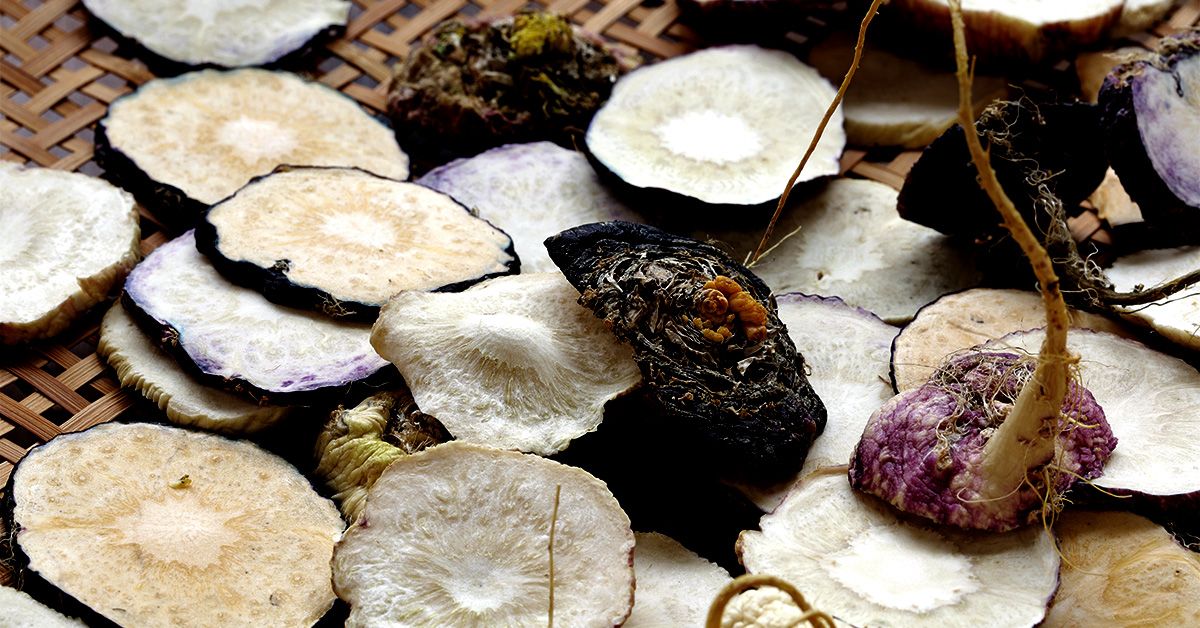
No direct evidence links maca root to acne, but its potential hormonal effects may trigger breakouts in people already prone to androgen-driven or hormonal acne.
Maca root (Lepidium meyenii) is a cruciferous plant native to the Peruvian Andes that contains bioactive compounds — including macamides and glucosinolates — and is widely consumed as a supplement for energy, libido, and hormone support. Despite its popularity, the question of whether it causes acne is more nuanced than most wellness blogs admit. The short answer: there is no solid clinical evidence that maca directly causes acne, but certain individuals with pre-existing hormonal sensitivities may find their skin worsens after starting it.
Before diving into the mechanisms, here is a quick-reference breakdown of the most common claims about maca and acne, mapped against what the evidence actually shows:
| Claim | What People Say | What the Science Shows |
|---|---|---|
| Maca raises testosterone | Taking maca spikes androgens, causing oily skin and breakouts | A 12-week clinical trial found no significant changes in testosterone, estrogen, FSH, LH, or prolactin in men taking 1.5g or 3g daily |
| Maca causes a "hormonal detox" | Breakouts are temporary while the body "rebalances" | No scientific evidence supports a maca-induced detox phase; the concept is not documented in peer-reviewed literature |
| Red maca is safer for acne-prone skin | Red varieties are gentler on hormones than black or yellow | No comparative human studies exist on maca color and acne risk; this remains speculation |
| Maca worsens PCOS-related acne | Adaptogenic herbs universally aggravate androgen excess | A 2025 review links PCOS acne to hyperandrogenism and insulin resistance, but does not implicate maca specifically |
| Maca's antioxidants protect skin | Anti-inflammatory compounds in maca prevent breakouts | Maca contains antioxidants, vitamin C, amino acids, and fatty acids, but no studies confirm these prevent acne |
| Poor sleep from maca worsens acne | Taking maca at night disrupts sleep and triggers breakouts | Poor sleep is linked to worse acne, but maca has not been proven to cause insomnia |
What exactly is maca root, and why do people take it?
Maca (Lepidium meyenii) is a root vegetable in the Brassicaceae family — the same plant family as broccoli, cabbage, and kale — that grows at altitudes above 4,000 meters in the Peruvian Andes. It is sometimes marketed as "Peruvian ginseng," though it shares no botanical relationship with true ginseng. Its key bioactive compounds include macamides (unique fatty acid amides), glucosinolates, alkaloids, and sterols.
People take maca for many reasons: boosting energy and stamina, improving libido, easing menopausal symptoms, and supporting what wellness culture loosely calls "hormone balance." It is sold in powder, capsule, and liquid extract forms, and comes in three main color varieties — yellow (the most common), red, and black — each marketed with different purported benefits.
A 2024 review published in Frontiers in Pharmacology examined the chemical and pharmacological profile of Lepidium meyenii and confirmed that while maca has demonstrated effects on sexual function, energy, and mood in some studies, the evidence base remains limited by small sample sizes and methodological inconsistencies. Side effects are described as rare, though long-term safety data is still sparse.
Why does maca root get blamed for acne breakouts?
The blame largely stems from maca's reputation as a "hormone balancer." When someone starts a new supplement and breaks out within days, the supplement gets the credit — or the blame. The popular explanation is that maca causes a temporary hormonal surge while the body adjusts, and that the resulting breakouts signal the body "detoxing" or "rebalancing."
The research does not support this narrative. In one 12-week randomized clinical trial, men taking either 1.5g or 3g of maca daily showed no significant changes in serum testosterone, estrogen, FSH, LH, or prolactin. A separate randomized trial confirmed the same finding: maca increased sexual desire, but measurable hormone levels did not shift. This is a critical distinction. Maca may influence how the body responds to hormones at a receptor or signaling level — a mechanism sometimes called adaptogenic — rather than raising or lowering circulating hormone concentrations.
Androgens stimulate sebaceous glands to produce more sebum, and excess sebum leads to clogged pores, inflammation, and acne. But jumping from "androgens cause acne" to "maca raises androgens and therefore causes acne" requires a causal link that current evidence does not provide. If you started maca on Monday and had new pimples by Friday, something changed — but the hormonal rebalancing or detox explanation is not backed by peer-reviewed data.
Who is most likely to break out when taking maca?
Not everyone who takes maca will experience skin changes. Those most likely to notice a negative reaction are people whose acne is already driven by hormonal fluctuations. Several underlying conditions and sensitivities are worth understanding here.
Androgen excess and PCOS. Oily skin, persistent chin and jawline breakouts, and polycystic ovary syndrome often share a common driver: elevated androgens. A 2025 review links PCOS-related acne specifically to hyperandrogenism and insulin resistance. If your skin is already sensitive to androgen fluctuations, any supplement that even modestly influences hormone signaling could tip the balance. That said, there is still no good evidence that maca measurably raises testosterone in people with PCOS.
Estrogen dominance. In integrative medicine, this term describes a state where estrogen levels are not adequately balanced by progesterone, causing symptoms like mood swings, irregular periods, and skin changes. Some practitioners recommend maca for estrogen dominance on the grounds that it may support progesterone production. In one clinical trial involving women, participants improved on maca even though their estrogen and androgen levels barely changed — suggesting the mechanism, if real, is not simply about raising or lowering estrogen.
Stress-sensitive skin. Stress can worsen acne through inflammation and changes in sebum production, with cortisol as a key driver. Some online sources claim maca causes an initial cortisol surge before eventually calming the stress response. One small study actually found lower cortisol after maca supplementation — the opposite of what the "cortisol surge" theory predicts. Individual responses vary, but maca is unlikely to be the cortisol villain it is sometimes made out to be.
Pre-existing hormonal acne. Skin that is already prone to hormonal breakouts is more likely to register any change — positive or negative — when a new supplement enters the picture. This does not mean maca is making your hormones worse; it may simply mean your skin is more reactive to any perturbation in your routine.
Is red maca better for acne-prone skin than black or yellow?
Red maca is frequently recommended as the "gentler" option for people whose skin is sensitive to hormonal shifts. The reasoning is that different maca colors have different phytochemical profiles and therefore different effects on androgen levels. Black maca is often marketed for male fertility and libido, while red maca is positioned as more suitable for women and for people concerned about androgen-driven acne.
There are no comparative human studies examining red, black, and yellow maca specifically for acne outcomes, and no good human evidence showing that one color variety raises androgens more than another. Some animal studies suggest differences in effects on prostate size and bone density between varieties, but extrapolating those findings to human acne risk is a stretch.
If red maca agrees with your skin better than another variety, that is a valid personal observation worth acting on. But "red maca is safer for acne-prone skin" is currently a theory, not a proven clinical fact.
Does maca's anti-inflammatory profile protect against acne, or could it make things worse?
Acne is not simply a matter of excess oil and clogged pores. Inflammation and oxidative stress matter for acne pathogenesis, which is why anti-inflammatory ingredients — both topical and dietary — are often discussed as part of acne management.
Maca does contain compounds with antioxidant potential. Research has identified antioxidants, vitamin C, amino acids, and fatty acids in maca that theoretically help combat free radicals and reduce inflammatory signaling. This is where some of the "detox breakout" narrative originates: if maca reduces oxidative stress, then an initial flare-up gets reframed as the body clearing out accumulated damage before things improve.
That explanation, while intuitive, has no scientific backing. No studies have shown that maca temporarily increases oxidative stress before reducing it, or that it causes the skin to "purge" stored toxins. The concept of toxins being expelled through the skin via a supplement is not supported by dermatological or biochemical research. If breakouts appear alongside digestive upset, fatigue, or brain fog after starting maca, those symptoms may simply mean maca is not agreeing with your system — not that your body is cleansing itself.
Advice to drink more water, eat extra fiber, or take maca with MCT oil to "support detox" and prevent breakouts may sound plausible, but none of these strategies have been studied in the context of maca-related skin reactions. They are not harmful suggestions, but they should not be presented as evidence-based solutions.
What side effects of maca could indirectly affect your skin?
Maca is generally well tolerated. The 2024 review in Frontiers in Pharmacology found that adverse effects are rare, though the authors noted that long-term safety data remains limited. A few side effects are worth considering in the context of skin health.
Digestive discomfort. Some people experience bloating, gas, or stomach upset when taking maca, particularly in raw powder form. Gelatinized maca (which has been pre-cooked to break down starch) is often better tolerated. Digestive side effects are unpleasant, but there is no established evidence that gut discomfort from maca directly triggers acne breakouts. The gut-skin axis is a real area of research, but the leap from "maca gave me bloating" to "maca gave me acne via my gut" is not supported by current data.
Sleep disruption. Maca has not been proven to cause insomnia, and there is no strong scientific basis for the common advice to always take it in the morning to avoid sleep problems. If you personally notice that maca keeps you awake, though, that matters for your skin. Poor sleep quality has been associated with worsened acne, likely through its effects on cortisol, inflammation, and skin barrier function.
Interactions with medications. Research on maca-drug interactions is thin. There is no good evidence that maca interferes with hormonal contraceptives or destabilizes hormone levels in people taking prescription medications. Still, if you are on regular medication — especially hormone-related treatments — it is worth checking with a doctor or pharmacist before adding maca to your routine.
Allergic reactions. An allergy to maca is possible, as with any food or supplement, and cross-contamination can occur depending on how a product is manufactured. An allergic skin reaction — redness, itching, hives — is distinct from acne and should not be dismissed as a breakout or "detox response." If you develop a rash after starting maca, stop taking it and consult a healthcare provider.
How can you tell if maca is actually causing your breakouts?
Practical reasoning matters more here than theoretical mechanisms. The most reliable way to test whether maca is responsible for new breakouts is a structured elimination approach.
Stop taking maca and keep everything else in your routine as stable as possible. Do not simultaneously switch your cleanser, start a new serum, overhaul your diet, or add another supplement — changing multiple variables at once makes it impossible to identify the cause of any skin change. If your breakouts begin to settle within two to four weeks of stopping maca, that makes it a more plausible trigger.
Once your skin clears, you can reintroduce maca after a period of stability and observe whether the breakouts return. If they do, the connection is stronger. If they do not, maca was probably not the culprit — or the dose or form matters.
There is no established dose-response relationship between maca and acne, so you cannot assume a lower dose will automatically solve the problem. Some people may react to small amounts; others may take larger doses with no skin effects at all. Switching from raw to gelatinized maca may help with digestive symptoms but has not been studied specifically for acne outcomes.
It is also worth auditing other recent changes before blaming maca. Did you start a new protein powder around the same time? Whey protein has a more established link to acne than maca does. Did your stress levels increase? Did your sleep pattern shift? Did you change your diet significantly? All of these are more strongly supported acne triggers than maca supplementation.
For people concerned about hormonal acne more broadly, a dermatologist or endocrinologist can run hormone panels to identify whether androgen excess, insulin resistance, or another measurable imbalance is driving your breakouts — giving you actual data rather than guesswork.
What does the broader adaptogen research say about skin?
Maca is often grouped with other adaptogens — plant-based substances thought to help the body adapt to physical and psychological stress. Other commonly cited adaptogens include ashwagandha, rhodiola, and holy basil. The adaptogen category is defined by functional claims rather than a shared chemical structure, which makes broad generalizations about adaptogens and acne difficult.
Ashwagandha, for example, has been more directly studied in the context of cortisol reduction, and some anecdotal reports link it to acne — possibly because it may influence androgen pathways. Maca's mechanism is different and less well characterized. Grouping all adaptogens together when discussing acne risk oversimplifies a complex picture.
What the adaptogen research broadly suggests is that these plants tend to have modulatory rather than unidirectional effects — meaning they may nudge a biological system toward balance rather than simply raising or lowering a single hormone. This is precisely why effects vary so much between individuals and why some people break out while others do not. If your hormonal baseline is already skewed toward androgen excess, even a modest modulatory nudge could push your skin over the edge. If your hormones are well balanced, the same supplement may have no visible skin effect at all.
Should you stop taking maca if your skin breaks out?
There is no universal answer. A reasonable approach is to pause maca for at least four weeks, keep the rest of your routine stable, and observe what happens to your skin. If breakouts resolve, you have useful information. If they do not, maca was probably not the primary driver.
Whether to reintroduce maca depends on why you were taking it in the first place. If you were using it for energy or libido and your skin clearly reacted, the cost-benefit calculation may not favor continuing. If you were using it for menopausal symptom relief and your skin only mildly worsened, a lower dose or different variety might be worth trying under the guidance of a healthcare provider.
The most important thing is not to accept the "detox breakout" framing uncritically. If a supplement is consistently making your skin worse, that is a signal worth taking seriously — not a phase to push through on the assumption that things will improve. No peer-reviewed evidence supports the idea that maca-related breakouts are a temporary cleansing process that resolves with continued use.
For people with hormonally sensitive skin who are interested in the potential benefits of maca, it may be worth addressing any underlying hormonal imbalances first — through testing, dietary changes, or medical treatment — before adding an adaptogenic supplement to the mix. If your skin is already on the edge of breaking out due to androgen excess or insulin resistance, adding a supplement with any hormonal activity, however modest, is a higher-risk move.
The bottom line on maca root and acne
Maca root is a Peruvian adaptogenic plant with a long history of traditional use and a growing body of modern research — most of which does not support the claim that it directly causes acne. Clinical trials consistently show that maca does not significantly alter circulating levels of testosterone, estrogen, or other key hormones. The popular "detox breakout" explanation has no scientific foundation.
Maca is not entirely off the hook for everyone, though. People with pre-existing androgen sensitivity, PCOS, or hormonally reactive skin may find that any supplement with potential hormonal activity — even a modest one — tips their skin toward breakouts. The pattern of your skin's response (clearing when you stop, flaring when you restart) is more informative than any theoretical mechanism.
For those navigating hormonal acne and looking for evidence-based support, the relationship between androgens, sebum production, and acne is well established — and addressing that root cause directly, whether through dermatological treatment or hormonal evaluation, is likely to be more effective than adjusting your adaptogen regimen. For broader hair and skin health strategies, exploring amino acid-based scalp and skin formulations or collagen-boosting serums may offer more predictable results for skin quality without the hormonal uncertainty.
Maca may or may not be right for your skin. What the science actually says is: we do not have enough evidence to condemn it outright, and we do not have enough evidence to guarantee it is safe for every hormonal skin type. Your skin's response to stopping and restarting it is the most reliable data point you have.
Sources
- Can Maca Root Cause Acne? What Science Actually Says – Beautiful With Brains
- Exploring the chemical and pharmacological variability of Lepidium meyenii: a comprehensive review of the effects of maca – Frontiers in Pharmacology (PMC)
- Effect of Lepidium meyenii (MACA) on sexual desire and its absent relationship with serum testosterone levels in adult healthy men – PubMed
- Subjective effects of Lepidium meyenii (Maca) extract on well-being and sexual performances in patients with mild erectile dysfunction – PubMed
- Hormonal and physiological changes in women with sexual dysfunction treated with maca – PubMed
- Maca reduces blood pressure and depression in a pilot study in postmenopausal women – PubMed (cortisol study)
- Androgens and acne: mechanisms and clinical implications – PubMed
- PCOS-related acne, hyperandrogenism and insulin resistance – PubMed 2025 review
- Stress and acne: inflammation and sebum production – PubMed
- Oxidative stress and inflammation in acne pathogenesis – PubMed
- Nutritional composition and antioxidants in maca – PubMed
- Poor sleep and acne severity – PubMed
- Maple Maca Elixir – Katie Stewart Wellness
- Can Maca Powder Cause Acne? – VPA Australia