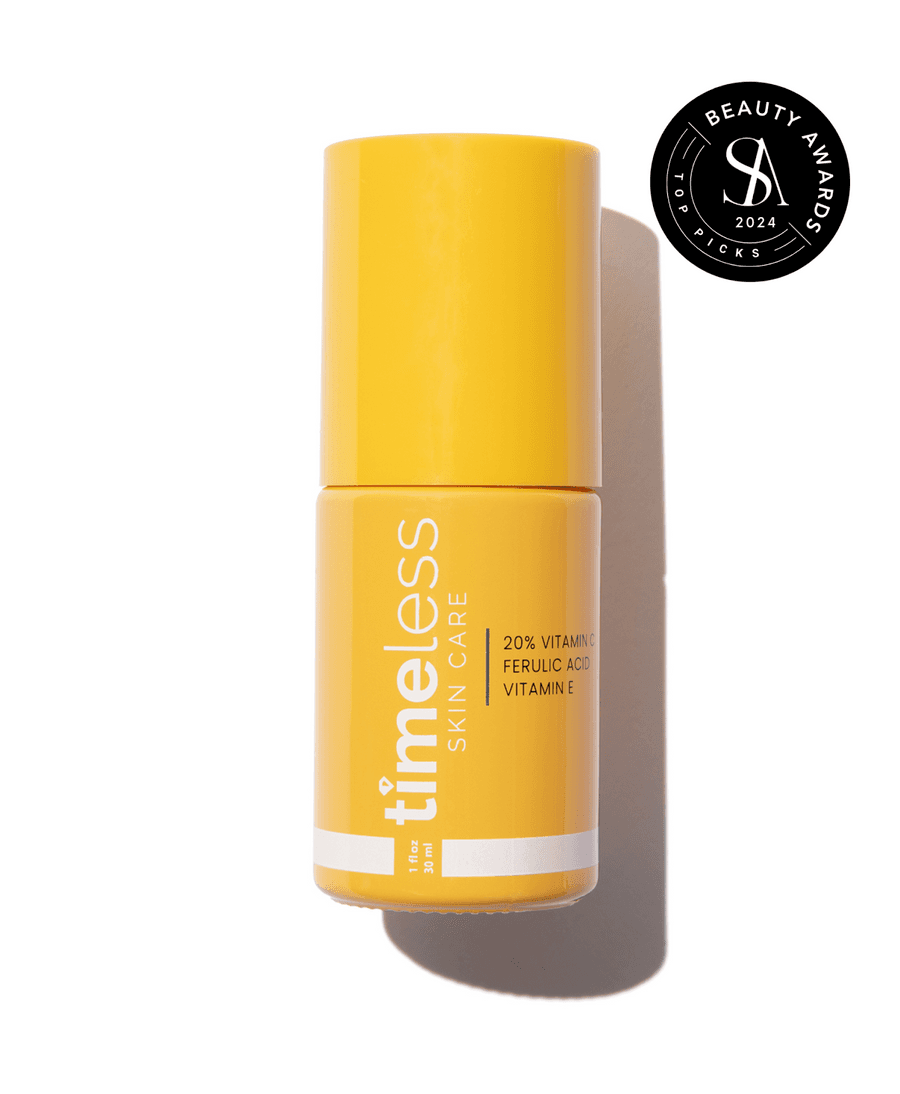
SkinCeuticals C E Ferulic (15% L-ascorbic acid, $185) is the 2026 consensus best overall; for sensitive skin, choose a gentler derivative like tetrahexyldecyl ascorbate at 10–15% concentration.
Best Vitamin C Serums for Hyperpigmentation and Uneven Skin Tone (2026): How to Choose the Right Form and Concentration
The best vitamin C serum for hyperpigmentation is a topical antioxidant formula containing an effective form of ascorbic acid at a clinically relevant concentration — typically 10–20% — that inhibits melanin production, supports collagen synthesis, and neutralizes free-radical damage from UV and pollution. After testing dozens of formulas and consulting board-certified dermatologists, the 2026 consensus across major beauty publications names SkinCeuticals C E Ferulic as the gold standard, with strong alternatives for sensitive skin, budget shoppers, and those targeting stubborn acne scars.
Before diving into individual picks, here is a side-by-side comparison of the top-recommended serums across key buying criteria:
| Serum | Vitamin C Form | Concentration | Price | Best For | Fragrance-Free |
|---|---|---|---|---|---|
| SkinCeuticals C E Ferulic | L-ascorbic acid | 15% | $185 | Overall / aging / dark spots | Yes (natural odor) |
| Dr. Loretta Anti-Aging Repair Serum | Tetrahexyldecyl ascorbate (THDA) | Not disclosed | $110 | Sensitive skin / mature skin | Yes |
| Revision Skincare C+ Correcting Complex 30% | L-ascorbic acid blend | 30% | $190 | Acne scars / stubborn pigmentation | Yes |
| CeraVe Skin Renewing Vitamin C Serum | Ascorbic acid | 10% | ~$24 | Budget / beginners | Yes |
| Sunday Riley C.E.O. 15% Vitamin C Brightening Serum | L-ascorbic acid | 15% | $85 | Dry skin | No |
| Mad Hippie Vitamin C Serum | Sodium ascorbyl phosphate | 10% | ~$28 | Sensitive skin / beginners | Yes |
| e.l.f. Bright Icon Vitamin C + E + Ferulic Serum | L-ascorbic acid | 15% | ~$14 | Budget / layering under makeup | Yes |
What does vitamin C actually do for hyperpigmentation and uneven skin tone?
Vitamin C is a water-soluble antioxidant that, when applied topically, works through three well-documented mechanisms to improve skin tone and texture. Research published in the Indian Dermatology Online Journal outlines all three.
Antioxidant protection. Vitamin C neutralizes the free radicals generated by UV exposure and air pollution — the invisible daily damage that accelerates skin aging and worsens pigmentation. It does not block UV rays the way sunscreen does, but it reduces the oxidative stress that slips past your SPF.
Melanin inhibition. Vitamin C inhibits tyrosinase, the enzyme that drives melanin production. This is the mechanism responsible for fading dark spots, post-acne marks, and the uneven tone that many people struggle with year-round. The effect is gradual — most clinical studies show visible improvement over 8–12 weeks of consistent use.
Collagen support. Vitamin C is a required cofactor for collagen synthesis. Regular use helps improve firmness, smooth fine lines, and give skin a more structured, youthful appearance over time.
Board-certified dermatologist Dr. David Kim, speaking to InStyle, summarizes it well: "Vitamin C is one of the very few ingredients that is truly complex. It can brighten your skin, boost collagen production, and help remove free radicals."
One caveat worth stating clearly: vitamin C is a partner to sunscreen, not a replacement. Without daily SPF, any pigmentation you fade during the night or morning can be re-triggered by UV exposure before noon.
What are the different forms of vitamin C, and which one is right for your skin?
Not all vitamin C serums contain the same molecule, and the form matters as much as the percentage on the label. The type of vitamin C determines both its effectiveness and its tolerability, as NBC News Select's dermatologist panel makes clear.
L-ascorbic acid (LAA) is pure vitamin C — the most studied, most potent, and most widely referenced form in clinical literature. It is effective at concentrations between 10% and 20%, but it requires a low, acidic pH (below approximately 3.5) to penetrate the skin barrier. That acidity is one reason it can sting or irritate, particularly on sensitive or compromised skin. LAA is also notoriously unstable: exposure to air and light causes it to oxidize into yellow-brown byproducts that are not only ineffective but can actually dull the complexion. If your serum has turned deep orange or brown, it has oxidized and should be replaced.
Tetrahexyldecyl ascorbate (THDA) is an oil-soluble vitamin C derivative that penetrates skin deeply and is significantly less irritating than LAA. It works at a skin-friendly pH, making it a strong choice for sensitive skin types and those new to active ingredients. The trade-off is that it is considered slightly less potent milligram-for-milligram than pure LAA, though its superior stability means it often delivers more consistent results over the life of the bottle.
Sodium ascorbyl phosphate and magnesium ascorbyl phosphate (MAP) are water-soluble derivatives that are gentler and more stable than LAA. These appear frequently in budget-friendly formulas and suit beginners well. Discoverpilgrim's dermatologist guide notes these are "the reliable, low-irritation route rather than the maximum-strength one."
Ethyl ascorbic acid (3-O-ethyl ascorbic acid) is a newer, highly stable derivative that has gained traction in Asian skincare formulations. It converts to active ascorbic acid in the skin and is considered effective for brightening and pigmentation without the pH sensitivity of LAA.
As board-certified dermatologist Dr. Jessica Weiser told Allure: "One common misconception is that there is a single best vitamin C serum that will suit every skin type." Matching the form to your skin's tolerance is the first step to seeing results.
What concentration of vitamin C is most effective — and when does more become too much?
Concentration is the percentage of active vitamin C in a formula, and it is one of the most misunderstood variables in the category. More is not automatically better.
"Beyond [20%], it's just irritating and not necessarily more effective," says Dr. Carmen Castilla of the New York Dermatology Group, speaking to NBC Select's dermatologist panel. The sweet spot for most skin types is 10–15%, which delivers meaningful antioxidant and brightening activity without the irritation risk of higher doses.
For beginners and those with sensitive skin, starting at 10% — or choosing a gentler derivative at any concentration — allows the skin to acclimate. InStyle's testing panel recommends easing into higher percentages and avoiding combining high-concentration vitamin C with strong exfoliants like retinol, particularly for acne-prone or reactive skin.
The one exception is formulas targeting very stubborn hyperpigmentation or acne scarring. The Revision Skincare C+ Correcting Complex 30% uses a 30% concentration and is recommended by Allure specifically for acne scars — but it is a professional-grade formula that should be introduced carefully.
For most people, a well-formulated 15% LAA serum or a 10–20% derivative serum used consistently every morning under SPF will deliver the best long-term results.
Which vitamin C serum is best overall in 2026?
SkinCeuticals C E Ferulic ($185 for 1 oz) has earned the top spot in virtually every major 2026 roundup, including Allure, Byrdie, Forbes Vetted, and NBC Select. It has now won seven Allure Best of Beauty Awards, making it a Hall of Famer in the category.
The formula combines 15% pure L-ascorbic acid, 1% vitamin E, and 0.5% ferulic acid — a trio that has been clinically studied and shown to provide synergistic antioxidant protection. Ferulic acid stabilizes both vitamin C and vitamin E, extending their efficacy and reducing oxidation. Vitamin E (tocopherol) adds its own antioxidant activity and helps soothe the skin.
In 2026, SkinCeuticals reformulated C E Ferulic with two additions: 0.3% carnosine, a peptide that protects against glycation (a process where sugars react with collagen, contributing to wrinkles and loss of firmness), and 1% endophytol, a dandelion-derived ingredient that fights oxidative stress and inflammation. The core antioxidant trio remains unchanged.
Allure executive beauty director Jenny Bailly, who has used the serum for approximately a decade, notes: "Every time I stray, my hyperpigmentation rises up to let me know I made a grave mistake."
The original patent on C E Ferulic's ingredient blend has expired, meaning other brands can now use the same combination. However, as cosmetic chemist Perry Romanowski has cautioned, stabilization and formulation quality matter enormously — a serum can list the same three ingredients without delivering the same results if the pH, preservation system, or manufacturing standards differ.
The serum has a naturally unpleasant odor (testers at InStyle described it as "boiled hot dog water") that fades quickly after application. It is technically fragrance-free. At $185, it is a significant investment, but the formula's track record, clinical backing, and the fact that only a few drops are needed per application make it defensible for those who can absorb the cost.
What is the best vitamin C serum for sensitive skin?
For sensitive skin, the priority shifts from maximum potency to tolerability and stability. Two serums consistently earn top marks in this category.
Dr. Loretta Anti-Aging Repair Serum ($110) is the Allure and NBC Select pick for sensitive and mature skin. It uses tetrahexyldecyl ascorbate (THDA), the oil-soluble derivative that penetrates deeply without requiring the low pH that makes LAA irritating. The formula is designed to deliver brightening and anti-aging benefits with a gentler skin response.
Mad Hippie Vitamin C Serum (~$28) uses sodium ascorbyl phosphate, another stable, gentle derivative. NBC Select recommends it specifically for sensitive skin at a price point that makes it accessible for those who want to test vitamin C tolerance before committing to a premium formula.
For anyone with reactive skin, Byrdie's dermatologist panel advises introducing vitamin C slowly — starting with every other day application — and avoiding layering it with retinol, strong AHAs, or BHAs until the skin has acclimated.
What is the best budget vitamin C serum?
CeraVe Skin Renewing Vitamin C Serum (~$24) is the NBC Select budget pick, offering a 10% ascorbic acid formula from a brand with strong dermatologist credibility and a reputation for gentle, well-tolerated formulations.
e.l.f. Bright Icon Vitamin C + E + Ferulic Serum (~$14) is Byrdie's budget-friendly recommendation. It mirrors the SkinCeuticals ingredient trio — 15% vitamin C, vitamin E, and ferulic acid — at a fraction of the price. Given that the SkinCeuticals patent has expired, this type of "dupe" formula is now legally viable, though formulation quality and stability may vary. Byrdie notes it layers particularly well under makeup.
TruSkin Vitamin C is the Forbes Vetted recommendation for beginners: a gentle formula with an accessible price tag that works well as an introduction to the category.
For anyone new to vitamin C serums, starting with a budget option at 10% concentration is a sensible strategy. It lets you assess your skin's tolerance and establish a consistent morning routine before investing in a premium formula.
What is the best vitamin C serum for acne scars and stubborn dark spots?
Revision Skincare C+ Correcting Complex 30% ($190) is the Allure pick for acne scars. At 30% concentration, it sits above the typical 10–20% range and is formulated specifically for those dealing with persistent post-inflammatory hyperpigmentation. It is a professional-grade product and should be introduced gradually.
Forbes Vetted also lists the Revision C+ Correcting Complex as its top pick for hyperpigmentation specifically, noting its potency for complex skin concerns.
Pairing any vitamin C serum with a broad-spectrum SPF 30+ sunscreen is non-negotiable when treating hyperpigmentation. UV exposure re-triggers melanin production and can undo weeks of brightening progress. Vitamin C reduces the oxidative damage UV causes, but it does not substitute for physical or chemical sun protection.
What ingredients should you look for alongside vitamin C?
The most effective vitamin C serums are not single-ingredient formulas. Supporting ingredients either stabilize the vitamin C, enhance its efficacy, or address complementary skin concerns.
Ferulic acid is the most important stabilizing partner for L-ascorbic acid. It extends the antioxidant activity of both vitamin C and vitamin E, and it is a key reason the SkinCeuticals C E Ferulic formula has maintained its reputation for over two decades. As Vogue India puts it, "the best vitamin C serums balance potency with stability, pairing L-ascorbic acid with supportive ingredients like ferulic acid, vitamin E or hydrating agents."
Vitamin E (tocopherol) adds antioxidant synergy and helps calm the skin. The combination of vitamins C and E with ferulic acid has been shown in clinical research to provide significantly greater photoprotection than any of the three ingredients alone.
Niacinamide is a brightening and barrier-strengthening ingredient that pairs well with vitamin C derivatives. An older myth suggested that combining niacinamide with vitamin C caused flushing or reduced efficacy; current dermatological consensus is that the two work well together at typical serum concentrations.
Alpha arbutin is another melanin-inhibiting ingredient that complements vitamin C's tyrosinase-blocking activity, making it a useful addition in serums targeting dark spots and uneven tone.
Hyaluronic acid and other humectants help offset any dryness or tightness that high-concentration LAA formulas can cause, improving wearability and skin comfort.
How should you use a vitamin C serum for best results?
Vitamin C serums are leave-on treatments applied to clean skin before heavier products like moisturizers and sunscreen. The standard protocol across dermatologist recommendations: apply a few drops (typically 3–5) to clean, dry skin in the morning, allow it to absorb for 1–2 minutes, then layer moisturizer and SPF. Morning application is preferred because vitamin C's antioxidant activity works in concert with sunscreen to reduce UV-induced oxidative damage throughout the day.
At 10–15% concentration, daily use is generally safe for most skin types, though easing into higher percentages is advisable, as NBC Select's dermatologist panel notes. Start with every other day if you have sensitive skin or are new to active ingredients.
Storage matters significantly for L-ascorbic acid formulas. Keep your serum in a cool, dark location — away from bathroom humidity and direct sunlight. Packaging is as important as the formula itself: Vogue India emphasizes that "a well-made vitamin C serum should ideally come in an amber, opaque or dark-coloured bottle that protects the formula from sunlight and helps maintain its potency for longer." A serum that has turned deep orange or brown has oxidized and should be discarded.
If you are also using retinol, strong exfoliating acids (AHAs/BHAs), or benzoyl peroxide, apply vitamin C in the morning and those actives at night to minimize irritation risk.
What about vitamin C serums for mature skin?
SkinMedica Vitamin C+E Complex is the Forbes Vetted pick for mature skin, addressing the overlapping concerns of hyperpigmentation, fine lines, and loss of firmness that tend to intensify with age.
Dr. Loretta Anti-Aging Repair Serum ($110) earns its "best for mature skin" designation from NBC Select because THDA's oil-soluble nature suits drier, more mature skin types that may find high-concentration LAA formulas too stripping.
The 2026 SkinCeuticals C E Ferulic reformulation is also particularly relevant for mature skin. The addition of 0.3% carnosine targets glycation — the sugar-protein reaction that degrades collagen and contributes to sagging and wrinkles — while 1% endophytol addresses the chronic low-grade inflammation that accelerates visible aging. For those already using the original formula, Allure senior staff writer Elizabeth Gulino confirms the new formula performs equivalently to the original.
Collagen-boosting is one of vitamin C's most clinically supported benefits, making it a natural complement to other collagen-focused skincare. If you are exploring plumping and collagen-boosting serums, vitamin C is a foundational ingredient to layer in the morning routine before those treatments.
How do you know if a vitamin C serum is working?
Results from vitamin C serums are gradual, not immediate. Most clinical studies and real-world tester reports show visible improvement in brightness and tone after 6–12 weeks of consistent daily use. Dark spots and hyperpigmentation take longer to fade than general dullness — expect 8–12 weeks minimum for meaningful change in post-acne marks or sun damage.
Signs that a formula is working include a more even, luminous skin tone over time, reduced visibility of dark spots, and skin that looks firmer and smoother in texture. Signs that a formula is not working — or has degraded — include the serum turning yellow-orange or brown in the bottle, stinging or irritation that does not subside after 2–3 weeks of use, or no perceptible change after 12 weeks of consistent application.
Byrdie's testing protocol evaluated serums over six weeks, with testers reporting that SkinCeuticals C E Ferulic produced "softer, smoother, and brighter" skin overall. InStyle's associate editorial director Shannon Bauer saw "a major difference in texture" and noticed her hyperpigmentation "reduced tremendously" with consistent use of the same formula.
If you are not seeing results after three months, consider whether the formula has oxidized, whether your concentration is appropriate for your skin concern, or whether you are consistently applying SPF to protect the progress you are making.
Final buying guidance: how to choose the right vitamin C serum for your skin
Choosing a vitamin C serum comes down to matching three variables — form, concentration, and supporting ingredients — to your skin type, tolerance level, and primary concern.
For normal to combination skin targeting general brightening and prevention: SkinCeuticals C E Ferulic at 15% LAA is the benchmark. If the price is prohibitive, the e.l.f. Bright Icon Serum offers a similar ingredient profile at a dramatically lower cost.
For sensitive or reactive skin: Choose a derivative formula — THDA (Dr. Loretta), sodium ascorbyl phosphate (Mad Hippie), or ethyl ascorbic acid — at 10–15%. Avoid high-pH formulas and introduce slowly.
For beginners: Start at 10% with a gentle derivative or a well-formulated LAA like CeraVe's. Establish a consistent morning routine before stepping up concentration.
For stubborn hyperpigmentation or acne scars: Consider Revision Skincare C+ Correcting Complex 30%, introduced gradually and always paired with SPF.
For dry or mature skin: Prioritize oil-soluble derivatives like THDA (Dr. Loretta, SkinMedica) that deliver brightening without the drying effect of high-concentration LAA.
Regardless of which formula you choose, daily SPF is non-negotiable. Vitamin C and sunscreen are the two most evidence-backed tools for preventing and fading hyperpigmentation — and they work better together than either does alone.
Sources
- 6 Best Vitamin C Serums 2026 for Hyperpigmentation and Uneven Tone | Allure
- SkinCeuticals C E Ferulic Reformulation 2026 | Allure
- SkinCeuticals C E Ferulic Patent Expired | Allure
- The 11 Best Vitamin C Serums, Tested by InStyle
- The 12 Best Vitamin C Serums for Brightening, Tested and Dermatologist-Approved | Byrdie
- Best Vitamin C Serums 2026 - Forbes Vetted
- We've tested dozens of vitamin C serums — here are the best ones | NBC News Select
- The 7 best vitamin C serums for an even-toned complexion | Vogue India
- Best Vitamin C Serum in India: A Dermatologist's 2026 Guide | Discover Pilgrim
- Vitamin C in Dermatology | Indian Dermatology Online Journal (PMC)
- SkinCeuticals C E Ferulic Official Product Page
- Best Plumping & Collagen-Boosting Serums | Skin and Hair Insight